POSTGRADUATE STUDIES IN

MINIMALLY INVASIVE AND ROBOTIC CARDIOVASCULAR SURGERY

2026

MASTER MODERN CARDIOVASCULAR SURGERY: MINIMALLY INVASIVE TECHNIQUES AND CUTTING-EDGE TECHNOLOGY
The Minimally Invasive Video-Assisted Cardiac Surgery Course (MICS – VACS in English) has a broad history; the technique has been performed since the mid-1990s and was developed to avoid complete sternotomy, reducing trauma and pain in the immediate postoperative period. Compared to conventional surgical approaches, standardized techniques of minimally invasive cardiac surgery have shown increasing evidence of similar or better outcomes (MORAZ et al., 2015). 

The literature reports that the MICS technique has advantages such as: less pain; early mobilization; less blood loss; shorter Mechanical Ventilation time; shorter ICU and hospital stay; lower risk of infection; early recovery and return to daily activities; better cosmetic results; less trauma in reoperations; better visualization. The noted disadvantages were: stricter criteria for patient selection; need for training/expertise; risk of vascular complications; and risk of phrenic nerve injury (EL-BOGHDADLY, CHIN, CHAN, 2017). 

In this regard, the training of surgeons has been supervised for a short time, still lacking standardization of resources and minimum workload for the training and qualification processes of professionals in the field. There are cases where the results are questionable in terms of complications and morbidities, and studies weaken the elevation of the learning curve (STEFANIDIS, 2010).

It is necessary to provide the practice of Cardiovascular Surgery, which involves situations inherent to the specialty, with training in cardiac arrest induction and myocardial preservation, mastery of assisted circulation and cardiocirculatory support, central vascular access for positioning of perfusion cannulas, control of organ perfusion (brain, kidneys, viscera), encompassing concepts and specific training in circulatory and respiratory physiology, endovascular techniques, vascular surgery, in addition to the obvious prior training in the correction of heart diseases in general. We must also develop knowledge and skills for the use of optics and video surgery techniques that were not part of the conventional training of cardiovascular surgeons. 

It is essential to provide and improve training in Minimally Invasive Cardiovascular Surgery so that more surgeons in Brazil have access to the platforms and are better qualified to incorporate these new technologies. 

Although it may not benefit the majority of patients, its use in more complex cases should bring significant benefits. It must be considered that Minimally Invasive Cardiovascular Surgery will still have great development, and its benefits should continue to grow as professionals, institutions, and patients gain access to the technology, to further develop studies on the techniques and analyze the positive and negative impacts. 

In this sense, it will be possible to implement a communication and information system that promotes self-development and expands the social commitment of healthcare workers; encourage and value teamwork and participation in ongoing education processes; promote the Environment, understood as the physical, social, professional, and interpersonal relationship environment that should be related to a health project focused on welcoming, resolutive, and humane care.
Lato Sensu course recognized by the Ministry of Education (MEC)

Lato Sensu course recognized by the Ministry of Education (MEC)

It includes 8 modules with a total workload of 360 hours.

It includes 8 modules with a total workload of 360 hours.

Online theoretical classes, live in-person surgeries, and in-person hands-on practical classes.

Online theoretical classes, live in-person surgeries, and in-person hands-on practical classes.

Hands-on practices in live models and simulators

Hands-on practices in live models and simulators

Mentors who are references in their areas of expertise.

Mentors who are references in their areas of expertise.

An even more comprehensive program, with more live surgeries.

An even more comprehensive program, with more live surgeries.

Practices in simulators and robotic platforms

Practices in simulators and robotic platforms

MENTORS

Coordinators

Professors

Concept, Practice & Immersive Environment

Methodology

The training is theoretical and practical for understanding the operation and components of the technological platform to be used in surgery. 

All in-person training will involve the use of: 
– Simulation center and in the surgical room, focusing on normal operation and problem-solving. 
– Complementary pre-clinical training that will involve the development of motor skills based on simulation of the surgical techniques focused on the training. 
– The surgical techniques will also include the observation of surgical cases, creating for the student, the experience as an assistant in procedures, as well as performing procedures in training and under supervision. 
– All these steps will be supervised by a preceptor surgeon, with extensive practical experience and established knowledge in the technical area being trained. The classes will take place as follows: – Theoretical classes taught by reference professionals in the area, and presentation of live surgeries with discussion of clinical cases. 
– Practical training on live and inanimate models.

Dynamics

Duration of up to 16 months

.

Total workload of 360 hours

Being divided into 280 hours of theoretical and practical activities and 80 hours of final project work.

6 in-person modules with 30 class hours each and 2 online modules.

5 hours of theoretical classes and connection with an international specialist 5 hours of hands-on practice 20 hours of live surgery

Online activities with 48 class hours

Divided into: Reading articles, case studies, exclusive group mentoring between students and teachers for discussion of surgical cases.

Course completion project (TCC) with 80 class hours

Dissertation and presentation of case reports on MICS.

Entrepreneurship and management of a medical career

With a workload of 52 class hours, the course is taught entirely online.

Academic Program

POSTGRADUATE STUDIES IN

MINIMALLY INVASIVE AND ROBOTIC CARDIOVASCULAR SURGERY

Classes start: 2026

Approval Criteria

As selection criteria, with a maximum of 100 points, we will evaluate: • Registration from the date of 10/29/2024 = 5 points • Payment of the enrollment fee = 15 points • Curriculum (general achievements in the medical career) = 40 points • Motivation letter (potential impact of the course on your career) = 40 points.

The approval of the course follows the following criteria and requirements: • Grade "B" in the overall evaluation • 75% attendance in classes

Student Profile

Medical residents with proven experience in Cardiovascular Surgery Cardiovascular surgeons with complete training.

Highlights

Mentorship with the leading names in the field.

Intensive practical training in simulators and live models

Exclusive theoretical content

Program focused on the exchange of scientific experiences with mentors.

Realistic simulation in an experimental surgical center

Extensive exhibition of real surgical routine

Ask your questions

Before issuing your tickets, contact our commercial service.

Saiba a opinião de quem já fez o curso
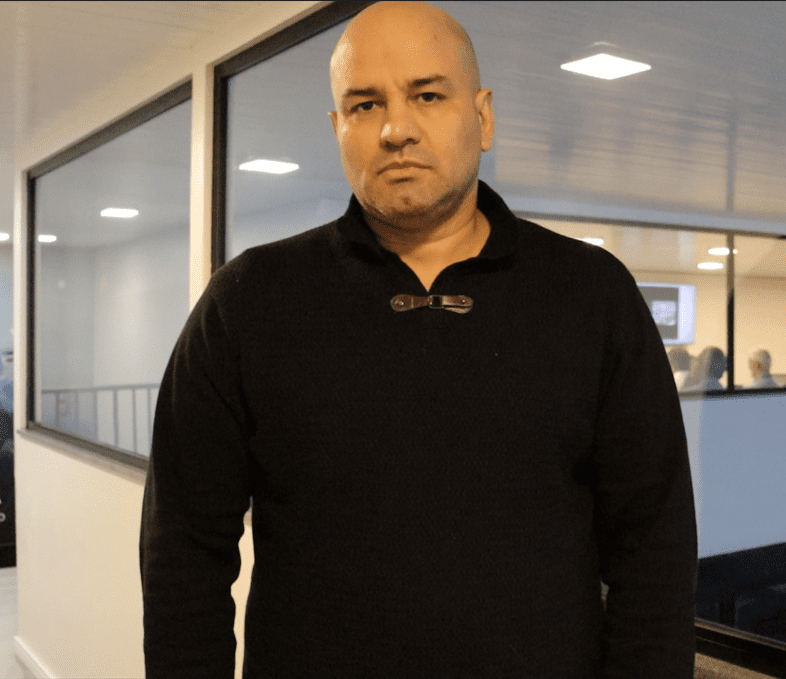
Dr. Ricardo Gonzales

Dr. Ricardo Gonzales

Cardiovascular Surgeon from Barbacena

MG

Good evening, my name is Frederico Nunes, I have been a cardiovascular surgeon for about 30 years, and I am pleasantly surprised to be introduced to MICS, which is minimally invasive cardiovascular surgery. It is a very broad and comprehensive course that changes our mindset regarding how we can proceed with surgeries from now on. We are being very well trained both theoretically and practically so that we can implement it in our services. In my case, I am a surgeon in the south of Minas Gerais, specializing in minimally invasive surgery.
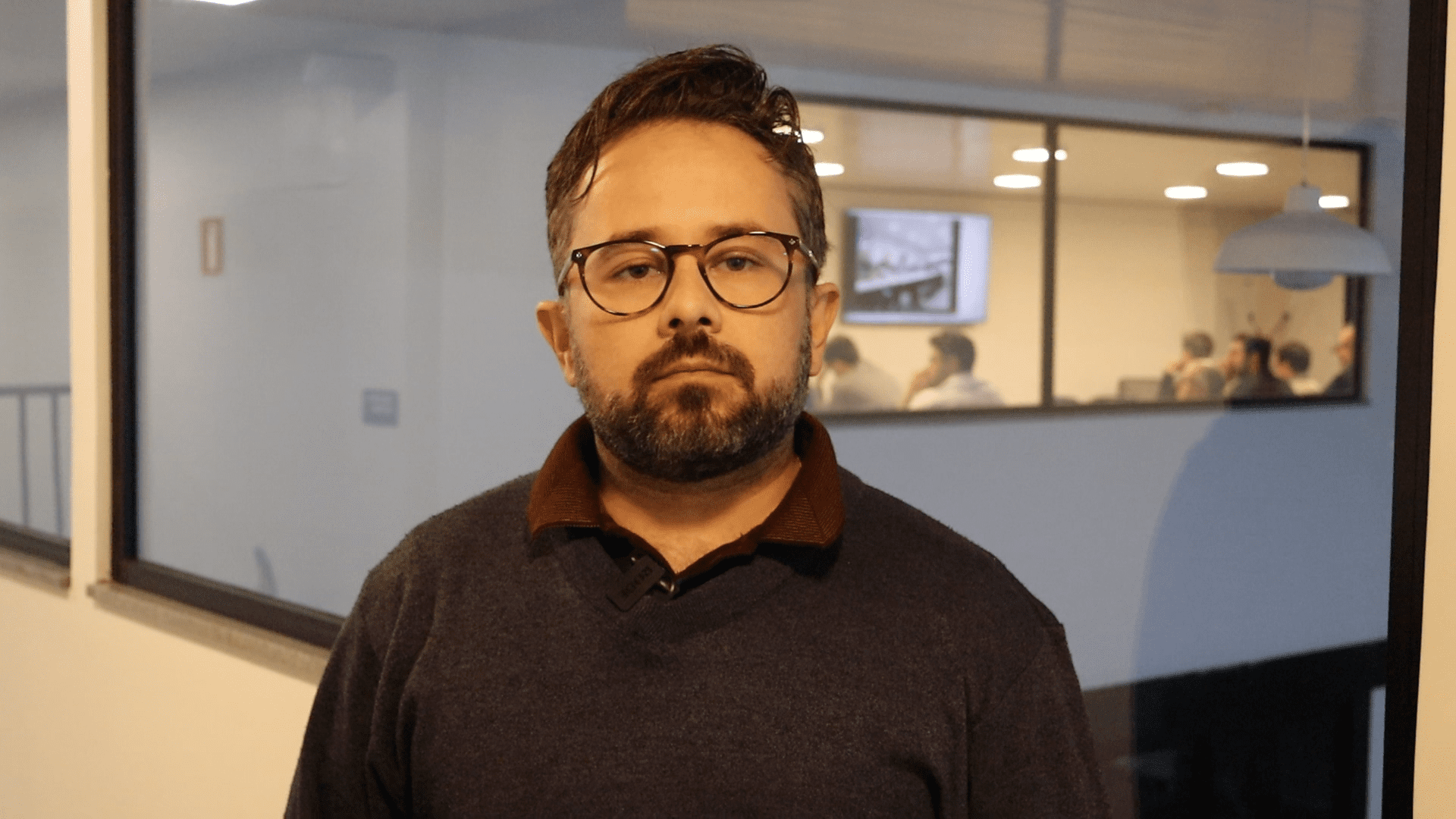
Dr. Lucas Duraes Pena

Dr. Lucas Duraes Pena

Cardiovascular Surgeon from Barbacena

MG

Hello, my name is Lucas, I am a student at Scolla, in the Postgraduate Course in Minimally Invasive Cardiac Surgery, and I have really observed that this course has been quite beneficial, especially in terms of theoretical and practical aspects, particularly due to the knowledge shared by the professors, not only by the coordinators but also by the guest lecturers. Additionally, the structure provided here has been impressive, especially from the practical perspective, with the infrastructure of the group allowing us to interact theoretical content with practical content. Furthermore, I have seen that the networking among colleagues has been extremely valuable, as we have classmates from various states, with diverse backgrounds and knowledge. This interaction within the group has been very important, especially in acquiring knowledge and also in gaining and exchanging experiences. Given the training center we are in, the Scolla group, and the city of Curitiba, this has provided us with significant knowledge. I see this as extremely important, and within our specialty, minimally invasive cardiac surgery has been and I believe will be a turning point, as with this opportunity for knowledge, we will be able to offer patients better treatment quality, faster recovery, and improved quality of life after the procedure, consequently expanding our portfolio of patient care and treatment.

Enroll now

Check the enrollment conditions for the desired course below.

WAITING LIST CLASS/27: Sign up for the waiting list for the 6th class (2027) and receive advance information about the opening of registrations, in addition to following the schedule, course structure and admission criteria.

Talk on WhatsApp

In accordance with Brazilian Laws No. 12,965/2014 (Civil Rights Framework for the Internet) and No. 13,709/2018 (General Data Protection Law – LGPD), by submitting my registration data, I authorize Scolla Centro de Treinamento Cirúrgico com Resultado to use my data to send notifications by e-mail or other means of communication that may be of my interest.

Loading...

POSTGRADUATE STUDIES IN

MINIMALLY INVASIVE AND ROBOTIC CARDIOVASCULAR SURGERY

REALIZATION:

Logo parceira
Logo parceira

SUPPORT:

Logo parceira
Logo parceira